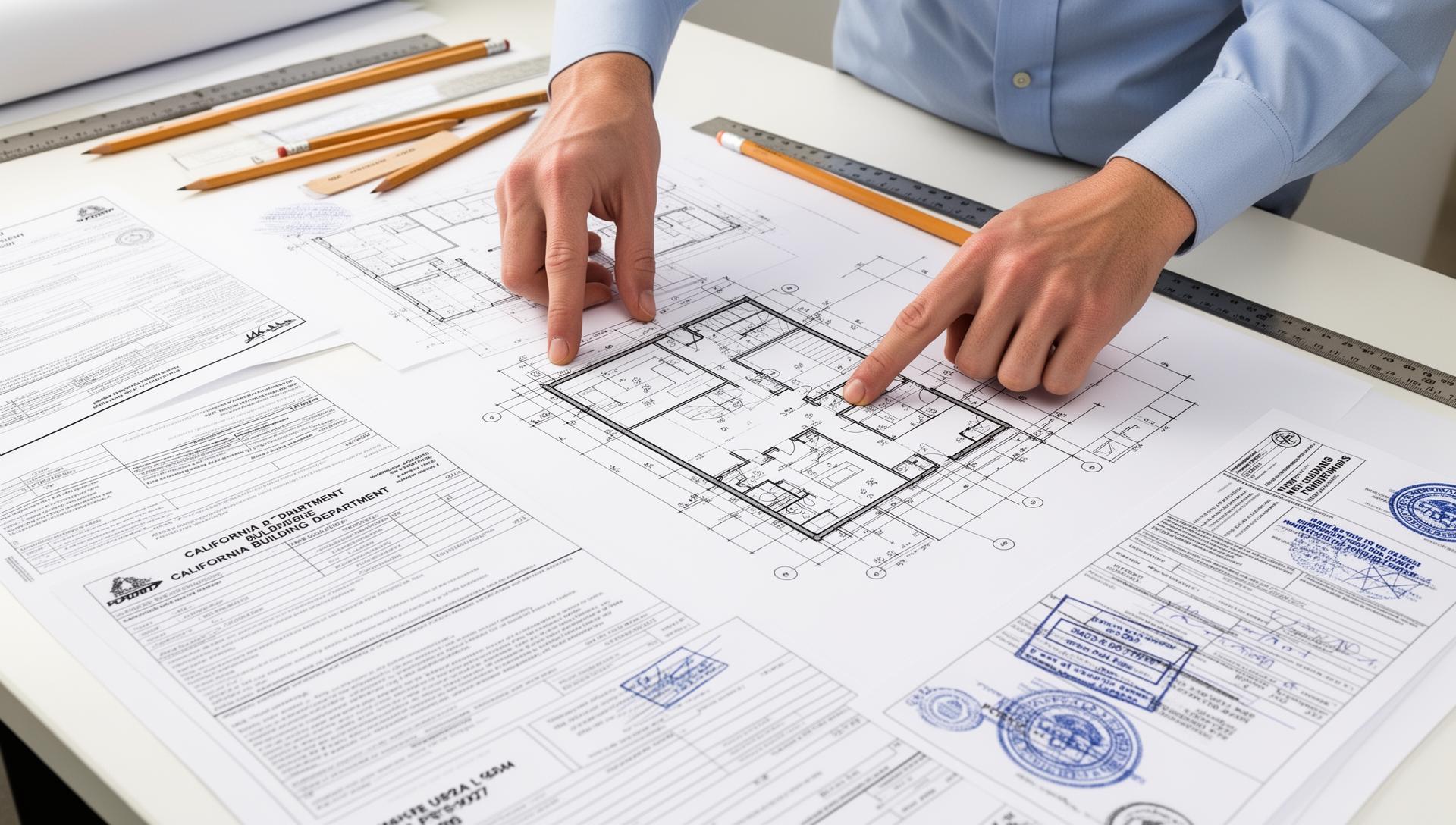
California Wildfire Rebuild Permits: What Homeowners Need to Know
The permitting process is one of the most confusing — and most important — parts of rebuilding after a wildfire. Understanding how permits work, what's required, and how to leverage expedited pathways can save you months of delay.
Expedited Permitting After Declared Disasters
After major wildfires like the Eaton and Palisades fires, state and local governments activate expedited permitting programs. These programs reduce review times from months to weeks — but they come with specific requirements. Generally, expedited processing is available when you're rebuilding to the same footprint and square footage as the original structure.
LA County's Department of Building and Safety, the City of Pasadena, and other local jurisdictions have each established their own expedited processes. Your contractor should know which jurisdiction your property falls under and the specific requirements for each.
What Documents Do You Need?
Proof of prior structure (tax records, previous permits, aerial photos)
Architectural plans stamped by a licensed architect or engineer
Title 24 energy compliance documentation
Soils/geotechnical report (required in hillside areas)
Cal Water or LADWP will-serve letter for water and sewer
Grading plans (if site work is needed)
Same Footprint vs. New Design
Same Footprint
- Expedited plan review (2–4 weeks)
- Reduced fees in many jurisdictions
- Fewer agency reviews required
- Still must meet current building code
New Design
- Standard plan review (6–12 weeks)
- Full permit fees apply
- May require zoning variance
- Environmental review possible
Common Permit Pitfalls to Avoid
Incomplete submissions are the number one cause of permit delays. Missing a single document can push your review back weeks. Work with a contractor who has submitted hundreds of permit applications and knows exactly what each jurisdiction requires.
Unpermitted prior work is another common issue. If the original home had additions or modifications done without permits, these will surface during the rebuild process and may require resolution before new permits are issued.
Jurisdiction confusion — some properties in Altadena fall under unincorporated LA County, while nearby properties may be within city limits. Each has different codes, fees, and timelines. Your contractor should verify jurisdiction before submitting anything.
How a Contractor Handles Permits for You
At 1st Choice Development, we manage the entire permitting process on your behalf — from preparing and submitting plans to coordinating with plan reviewers and scheduling inspections. You shouldn't have to stand in line at a government office or decipher code requirements. That's our job, and with 37 years of experience in LA County, we know the system inside and out.
Frequently Asked Questions
How much do fire rebuild permits cost?
Permit fees vary by jurisdiction and project size. Many local governments have waived or reduced fees for declared-disaster rebuilds. For a typical single-family home rebuild, expect $5,000–$15,000 in permit and plan check fees. Your contractor should include this in your project estimate.
Can I start any work before the permit is issued?
Debris removal (covered by government programs) can proceed without a building permit. However, no construction work — including grading, foundation, or utility connections — should begin until your building permit is issued. Starting work without a permit can result in stop-work orders, fines, and delays.
Let Us Handle the Permits
We manage every aspect of the permitting process so you can focus on your family and your future.
Schedule a Free Consultation